

Patient-centered physical therapy in southern New Hampshire
Reduce pain. prevent injury. build real stability in a hypermobile body.
Connective-tissue-literate PT led by Dr. Alli Bobala—built on the Flometrics® system
Dr. Jason Cole created.

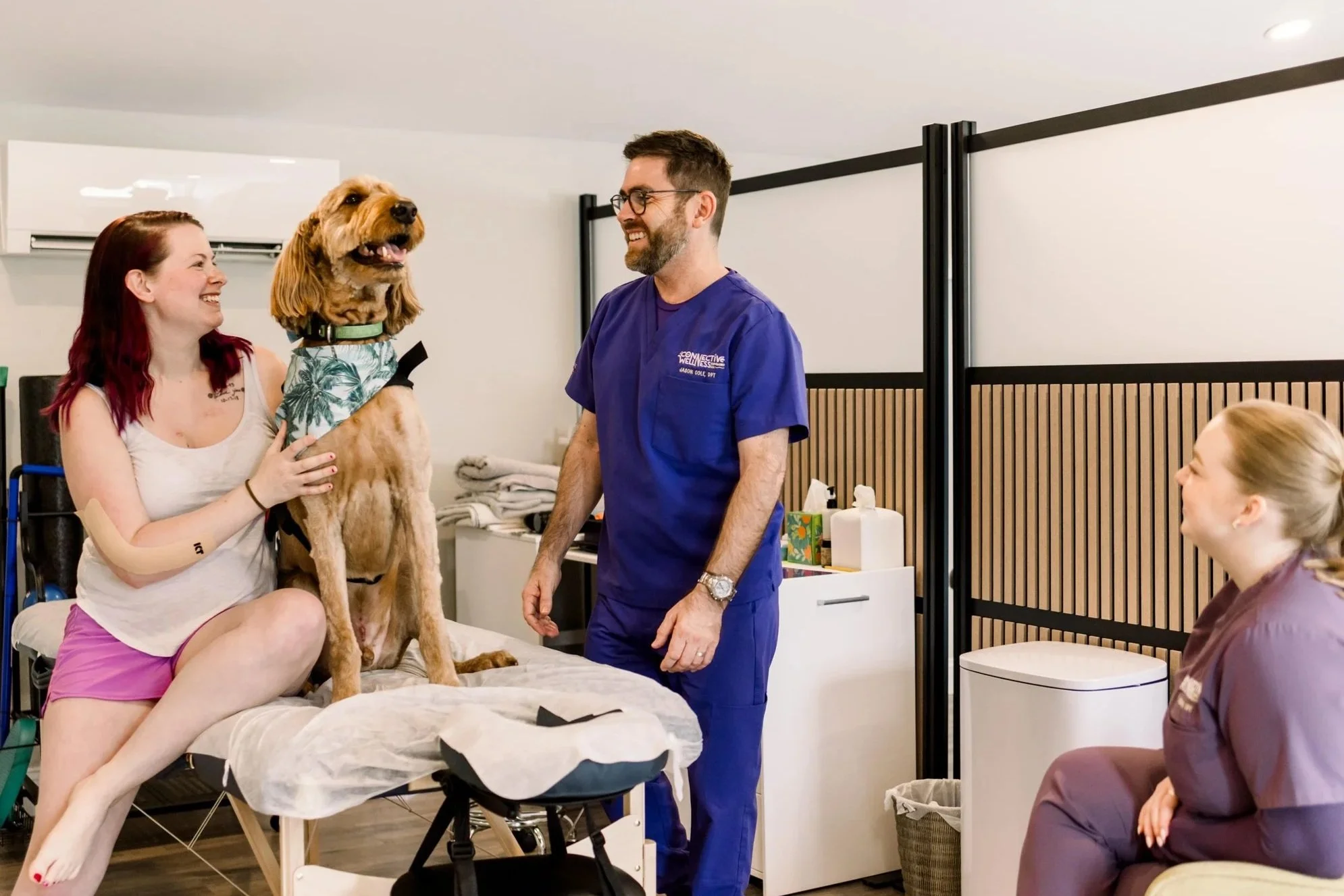

IT’S TIME TO MANAGE YOUR EDS MORE EFFECTIVELY
Work with compassionate, experienced physical therapists who specializes in your unique symptoms
Movement shouldn’t feel like a gamble.
If you’ve tried PT that was too generic, too intense, or built around rigid protocols that don’t match how your body actually behaves, you already know the problem: traditional rehab often asks complex bodies to act like simple ones.
Flometrics® exists because we needed a better system.
Dr. Jason Cole created Flometrics as a movement and physical therapy framework specifically for hypermobility and complex pain patterns. Now, Flometrics Physical Therapy at Connective Wellness is led day-to-day by Dr. Alli Bobala, DPT, with Dr. Cole continuing as the founder of the method and clinical leader behind the framework.
You’re not “missing discipline.” You’re not “too sensitive.” You’re in a body that requires precision, pacing, and strategy.
That’s what we do here.

what flometrics is (and why it feels different)
Flometrics is physical therapy for hypermobile and complex bodies built around control, coordination, and long-game function—not intensity for intensity’s sake.
It’s a framework designed for people who need movement that’s:
specific (because your patterns are specific)
adaptive (because your symptoms can shift)
body-aware (because the “push through” model backfires)
sustainable (because you live in your body every day, not just in appointments)
Discover the Flometrics difference
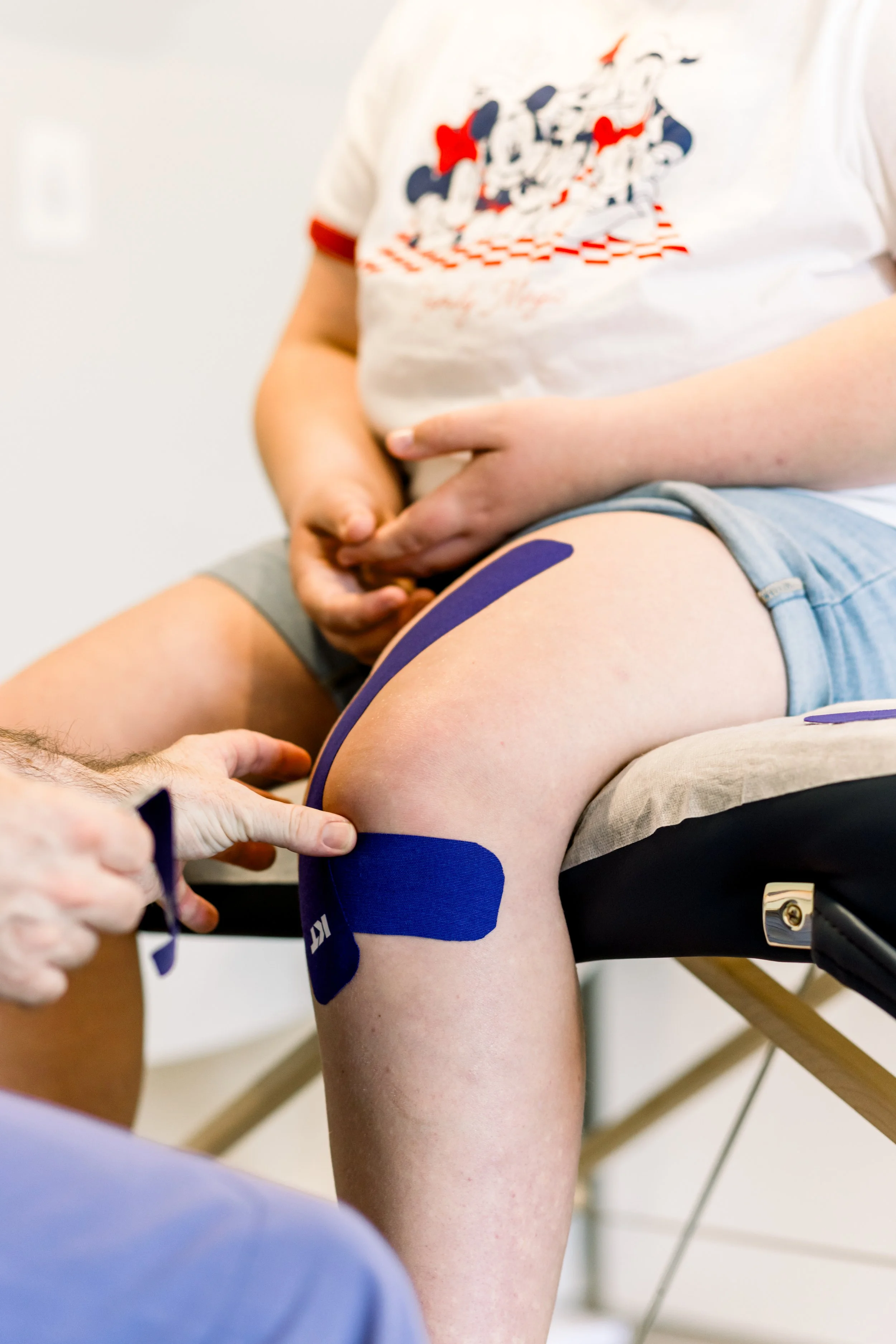
MUSCLE ENGAGEMENT
> MUSCLE GUARDING
Your body’s natural response to pain is often to contract your muscles involuntarily. Our PTs will show you how to deliberately activate and organize your muscles to enhance movement, improve strength, and maintain stability.
-
Many people with EDS get into a pattern of muscle guarding: the involuntary and often excessive contraction of muscles in response to pain, injury, or perceived threat to protect an injured or vulnerable area from further harm. It is a protective mechanism. Our PTs help you stop doing this and focus on engagement instead.
Muscle engagement is the deliberate and controlled activation of specific muscles or muscle groups to perform a particular movement or stabilize a joint. The goal of muscle engagement is to enhance functional movement, improve strength, and maintain stability and balance. It is an intentional and positive activation of muscles. We’ll help you work on controlled activation, functional movement, and efficient use of energy.

AWARENESS > EXERTION
Not all physical activity is good for people with EDS. Instead of exerting yourself to the point of injury or fatigue, our PTs will teach you how to be mindful of your body’s capabilities and limits, which leads to a better quality of life.
-
Body awareness involves being mindful of how the body moves and functions and emphasizes the importance of understanding one's own physical limits and capabilities. Improving proprioception, or the sense of body position and movement, helps you become more aware of your joints and muscles affected by hypermobility or instability. By becoming more aware of your body, you can avoid movements that might lead to dislocations, subluxations, or other injuries. Understanding and listening to your body helps you recognize early signs of pain or discomfort, allowing you to adjust your activities accordingly. Enhanced body awareness leads to better coordination and balance, reducing the risk of falls and other accidents.
Intense physical exertion, or even the “one size fits all” physical therapy protocols that presently exist, can be detrimental for EDS patients with connective tissue weakness, as it increases the risk of joint damage, muscle strains, and fatigue. By prioritizing body awareness over intense exertion, our physical therapy philosophy for EDS patients aims to create a safe, effective, and sustainable approach to managing the condition. Our approach will help you strengthen your muscles without putting undue stress on joints, allow you to adapt and build strength slowly, and improve your ability to perform daily tasks safely and efficiently. This philosophy not only helps in preventing injuries but also promotes a better quality of life.
HEALING > HURTING
You’re already familiar with pain. Your physical activity shouldn’t make it worse! Our PTs will help you avoid exercises that risk harm and instead choose those that support your body’s natural healing process.
-
With Flometrics, we prioritize healing and restoring your body rather than risking harm through excessive exercise or “one size fits all” protocols.
Traditional strength training isolates muscle groups and works them out to exhaustion using heavy weights or weight machines. For EDS patients, this leads to joint dislocations, muscle strains, overuse injuries, and excessive fatigue, which can exacerbate symptoms and hinder the overall healing process. Additionally, the existing physical therapy protocols for EDS patients focus on a highly structured, rigid program that emphasizes stabilization through specific exercises and routines. While effective for some, it can lack the individualized flexibility needed to address the unique variations and complex needs of each EDS patient. It requires strict adherence to a predefined regimen, which is not suitable for all patients, especially those with fluctuating symptoms or other comorbidities. Both will ultimately hurt EDS patients like you.
In contrast, Flometrics offers a more personalized and holistic approach that allows for greater adaptability in managing the dynamic and often unpredictable nature of EDS. Our individualized and sustainable exercise plans focus on consistent, gentle activity that supports ongoing health and prevents flare-ups of symptoms. By focusing on healing and restoration, we enable you to perform daily activities with greater ease and less pain and empower you with the tools to maintain these activities on your own daily.

BODY FLOW > BODY STRAIN
When your body moves in a smooth, coordinated manner, you’ll have less strain, less pain, and more controlled mobility. Our PTs will guide you through fluid, controlled exercises that will enhance your long-term health and wellbeing.
-
As an EDS patient, you likely often use compensatory movements to avoid pain or instability, even though they often create muscle strain and exacerbate issues. Traditional exercise programs or those currently available for EDS patients with their "one size fits all" approach, may not address your unique and fluctuating needs.
In contrast, Flometrics emphasizes body flow, focusing on smooth, efficient, and coordinated movements that protect hypermobile or unstable joints. This method reduces the likelihood of dislocations and subluxations while minimizing pain and discomfort. By encouraging natural movement patterns and balanced muscle activation, Flometrics helps prevent compensatory movements that lead to muscle strain and pain. Exercises are controlled and deliberate, focusing on quality over speed or intensity, ensuring movements are smooth and coordinated.
Functional movement exercises mimic daily activities, helping you practice coordinated movements in a safe environment. Proprioceptive exercises enhance body awareness, supporting more fluid movements, while stretching and mobility exercises maintain flexibility, contributing to smoother and more efficient movement patterns. This approach not only improves body flow but also promotes joint protection, pain reduction, and overall physical well-being. By developing long-term strategies and creating a supportive environment, you’re are encouraged to integrate these practices into their daily lives, ensuring sustained improvements in body flow and joint health.
how care here works
Step 1: A real assessment
Your first visit is an extended, hands-on evaluation. We look at how you move, where you compensate, what feels unstable, what feels guarded, and what your body does when you try to “do it right.”
You’ll leave with a clear plan—built around what your body can realistically implement.
Step 2: Build the foundation (then build the layers)
Flometrics® PT is progressive by design. We start with control, engagement, and strategy, then layer strength and complexity in ways your system can tolerate.
Step 3: Keep it practical
This is not “collect exercises and hope.” Sessions are about translating the work into real life: walking, standing, lifting, sitting, getting through your day with fewer movement penalties.
MEET our lead flometrics physical therapist
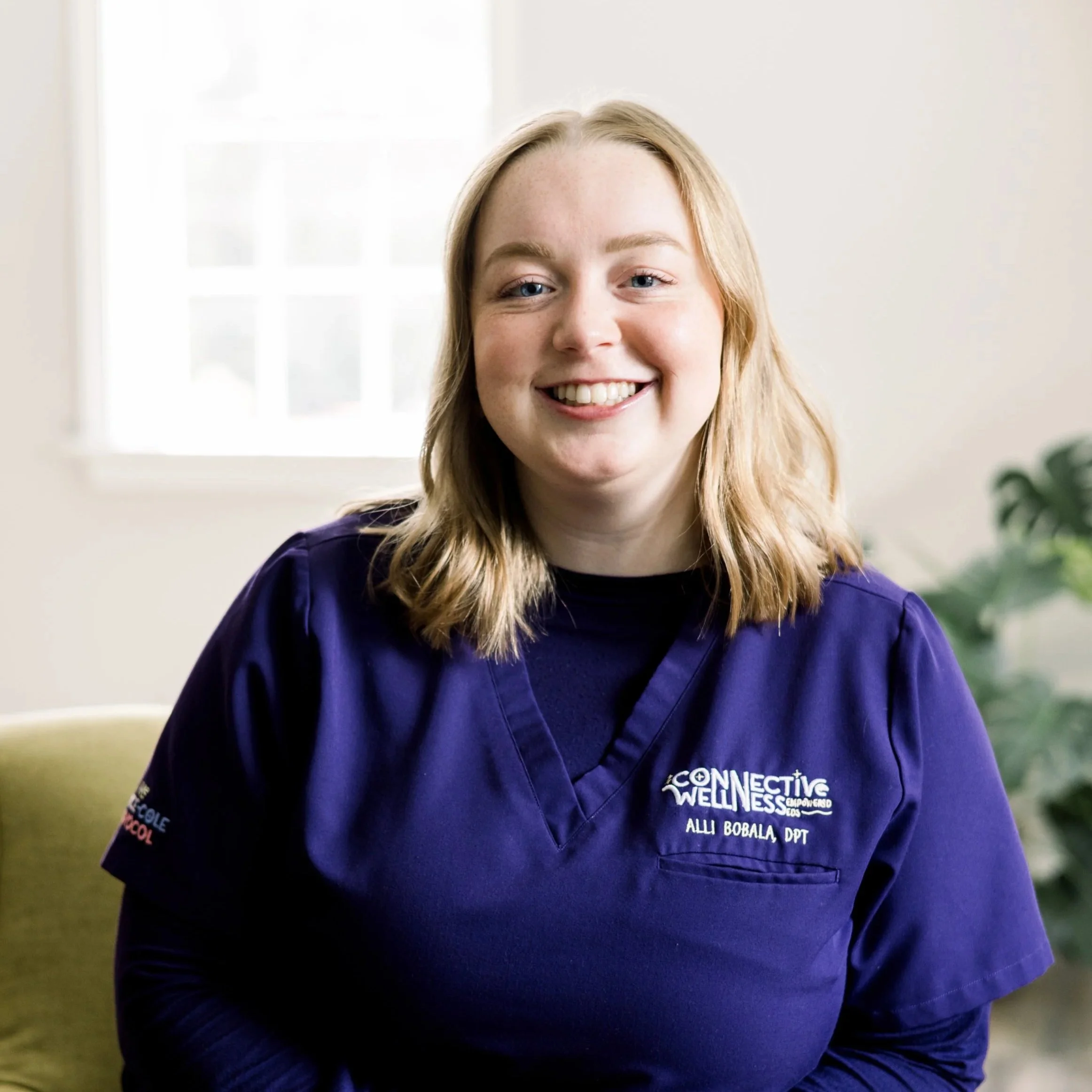
Dr. alli bobala
PT, DPT, Cert. Dry Needling
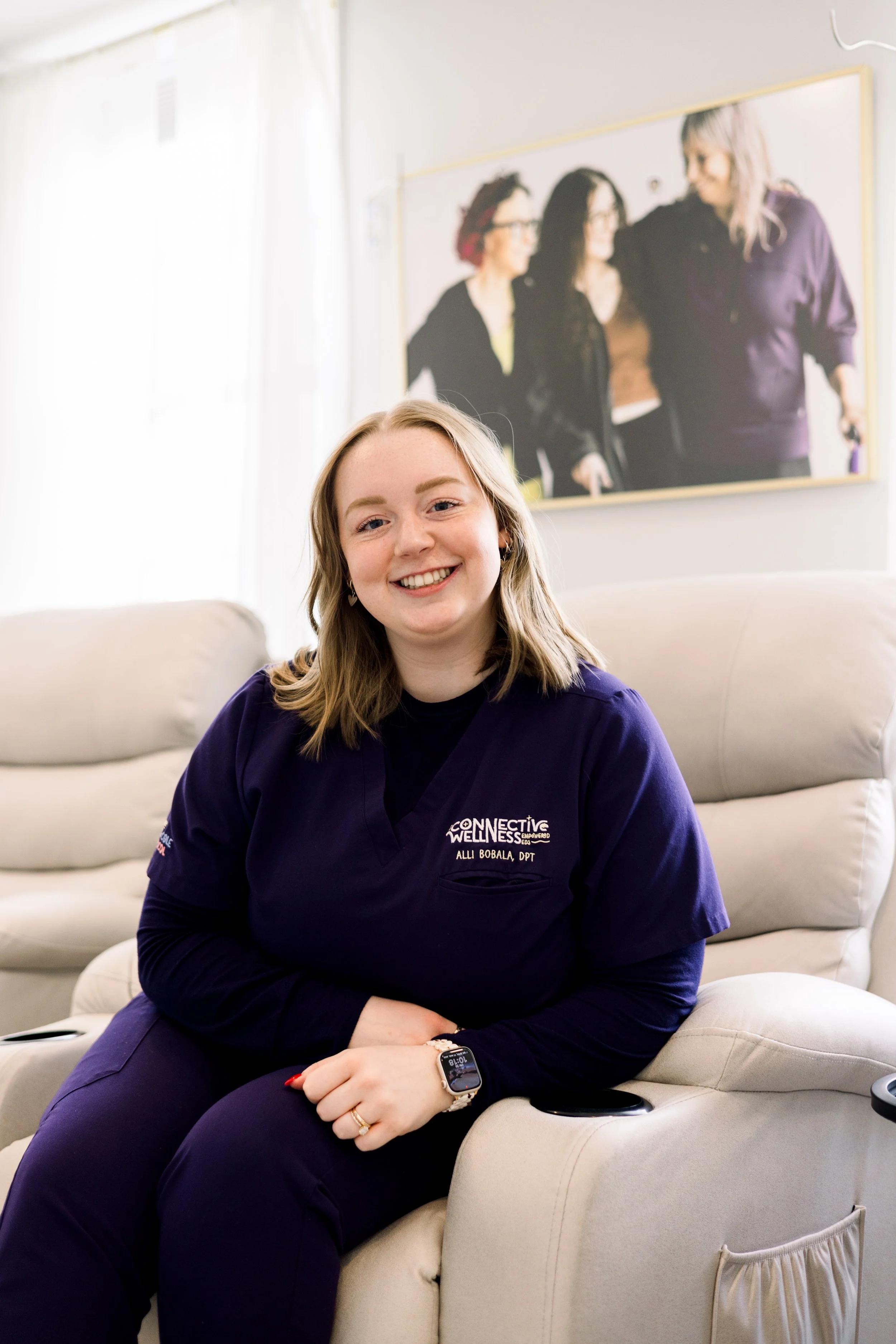
Dr. Alli Bobala, DPT is the Lead Flometrics Physical Therapist at Connective Wellness. She completed her Doctor of Physical Therapy degree and is trained in neurological dry needling and the Pediatric EDS ECHO program. Alli has worked extensively under the direct mentorship of Dr. Jason Cole, creator of the Flometrics method, and now leads the day-to-day delivery of Flometrics physical therapy for hypermobile and complex bodies at Connective Wellness, bringing the same standards, clinical decision-making, and precision this work requires.
Alli’s care is grounded in clinical skill and real-world understanding of hypermobility—she herself has hEDS, and is uniquely positioned to understand complex bodies. She focuses on helping patients build meaningful stability, improve movement control, and reduce the flare-and-crash cycle that so many hypermobile bodies get trapped in. Sessions with Alli are structured, specific, and individualized—because “generic PT” is often exactly what didn’t work.
Outside the clinic, Alli is usually found with coffee in hand, exploring new places, and spending time with family and friends.
Fun facts: Gilmore Girls superfan, former swim coach/lifeguard, celiac forever, and yes—she was at the Eras Tour rain show at Gillette.
Meet the Team
-
![]()
Dr. Jason Cole, DPT
FOUNDER OF FLOMETRICS
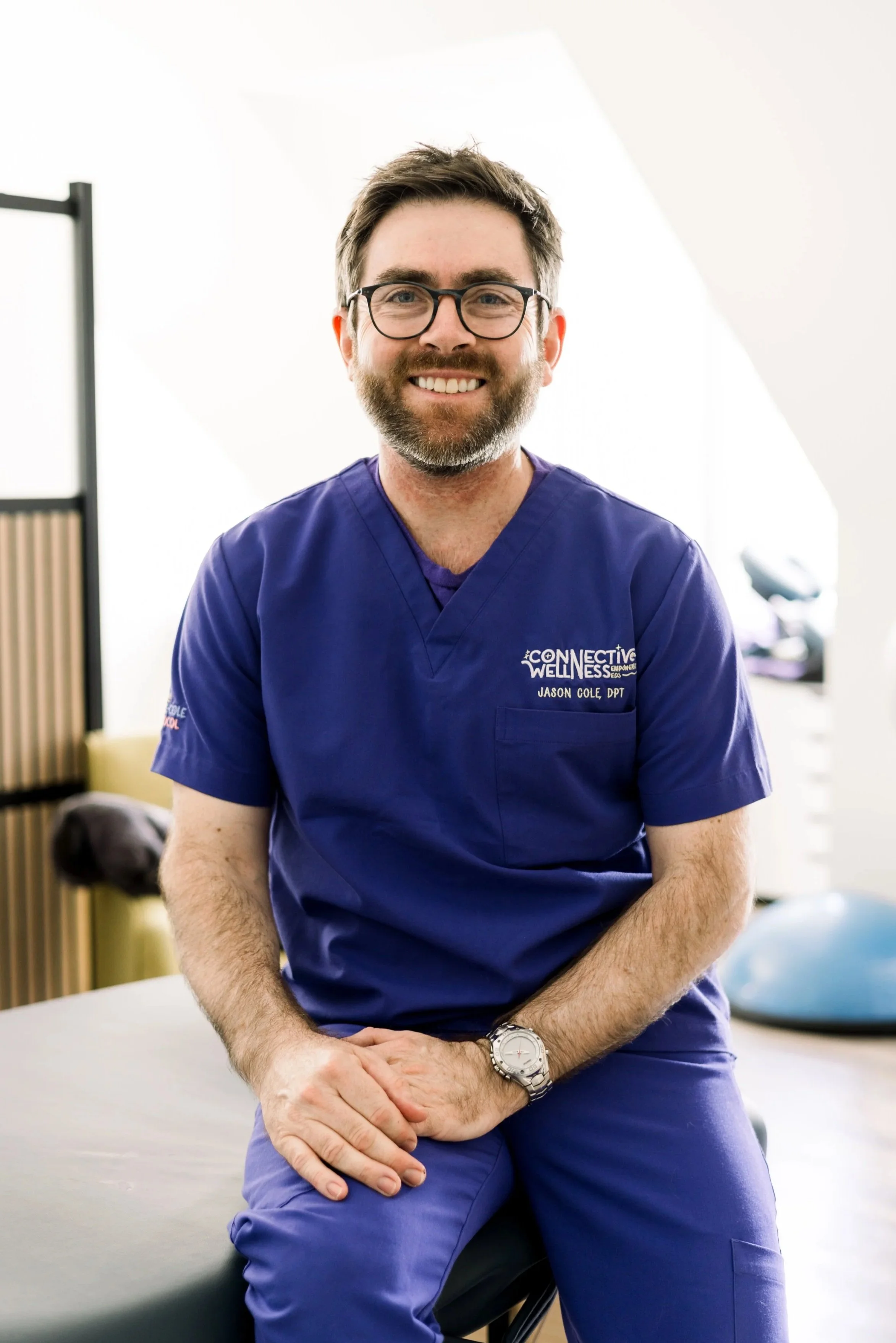
Dr. Jason Cole is the co-founder of Connective Wellness and the founder/creator of Flometrics, the movement and physical therapy framework built specifically for hypermobility and complex bodies. With 20+ years as a physical therapist, he leads the clinical vision behind how Flometrics is developed, taught, and delivered across the practice.
-
![]()
Dr. Annika Michaels, DPT
FLOMETRICS PHYSICAL THERAPIST
Dr. Annika Michaels is a Flometrics Physical Therapist at Connective Wellness. She works within the Flometrics framework to help patients build stability, control, and sustainable progress with a plan that matches their real life—not a generic protocol. -
![]()
Logan Mason, CPT
FLOMETRICS MOVEMENT COACH
Logan Mason is a Flometrics Movement Coach and a NASM Certified Personal Trainer. He supports patients virtually in building body awareness and movement control, with a grounded, skill-based approach shaped by years of boxing experience, focused coaching, and time spent training under Dr. Jason Cole.



Our physical therapy services in southern New Hampshire
ASSESSMENT
Create your treatment plan
The first step in your transformative wellness journey is a thorough 1.5-hour assessment. Through personalized attention, in-depth evaluation, and a holistic approach, we'll uncover the root causes of your discomfort, craft a tailored treatment plan, and empower you with the knowledge to achieve optimal health.
1.5 HOURS | $425

EXERCISE THERAPY
Elevate your strength
If your personal health goals include increasing your strength, mobility, and overall wellbeing, Dr. Alli will recommend regular exercise therapy. During each 45-minute session, you'll engage in targeted exercises, stretches, and techniques tailored to your needs. As you continue treatment, you will move toward a more active and empowered you.
45 MINUTES | $165
COMBINED MANUAL THERAPY
Get hands-on healing
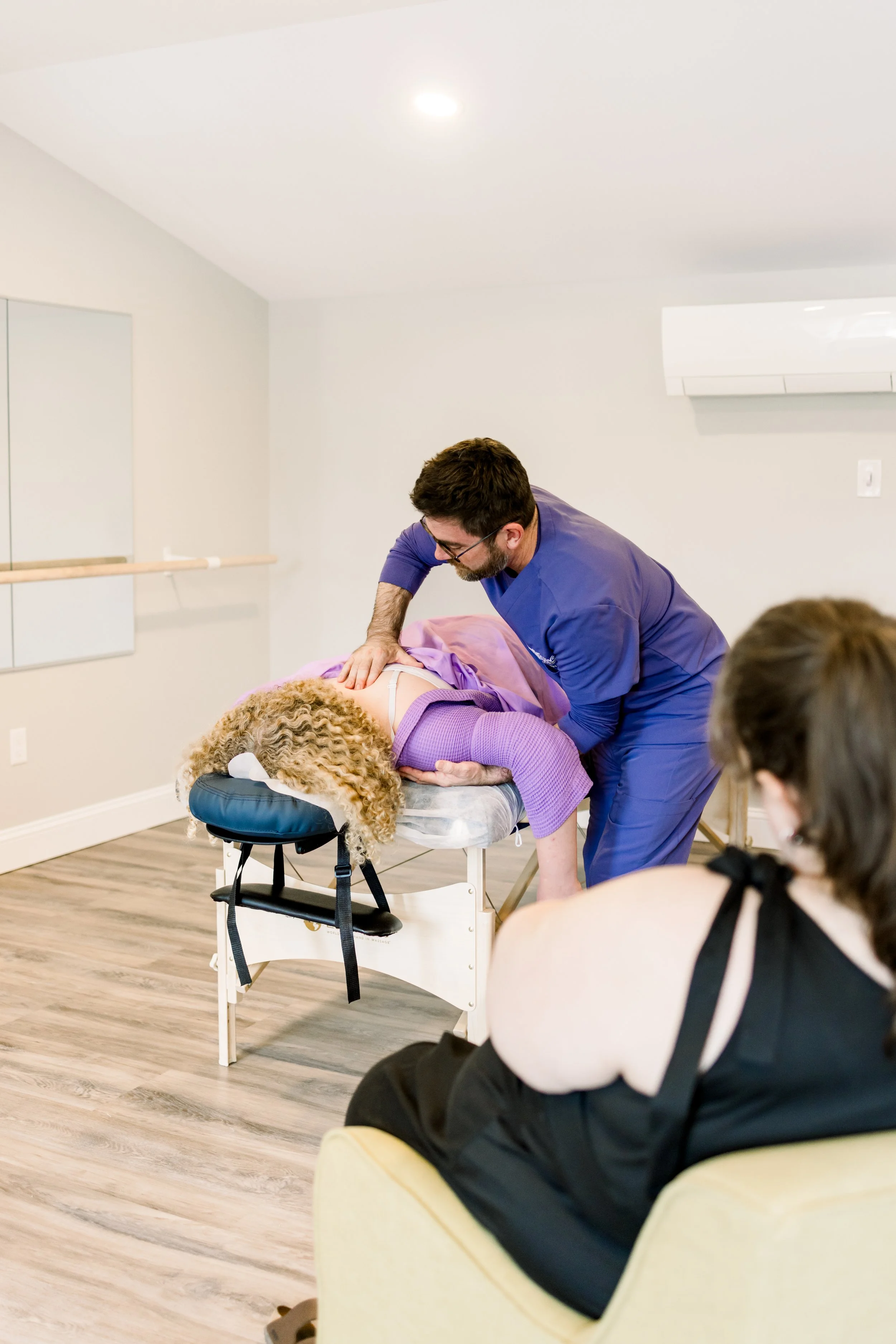
If your personal health goals also include improved function and vitality, Dr. Alli will recommend regular manual therapy. During each 45-minute session, your therapist will combine advanced techniques like trigger point dry needling, cupping, and soft tissue massage with tailored exercises for a holistic, hands-on approach to your wellbeing.
45 minutes | $195
Why do I need physical therapy, anyway?
-
EDS often leads to joint hypermobility and instability due to weakened connective tissues. Physical therapy focuses on strengthening the muscles around your joints to enhance stability and reduce your risk of dislocations and subluxations.
-
EDS can cause chronic pain due to joint instability, muscle fatigue, and other complications. Physical therapists use techniques such as manual therapy, specific exercises, and modalities like dry needling, cupping, and soft tissue mobilization to help you manage and reduce pain.
-
Regular physical therapy helps improve your overall functional abilities. By increasing your muscle strength, coordination, and endurance, you can perform daily activities more efficiently and with less discomfort.
-
Physical therapists educate you about your condition, teaching you how to move safely, avoid injury, and implement proper body mechanics. This knowledge is crucial for managing your EDS in everyday life.
-
Each person with EDS has unique challenges and needs. Physical therapists create individualized exercise programs tailored to your specific needs and limitations, ensuring your exercises are safe and effective.
-
EDS can lead to secondary issues such as osteoarthritis, tendonitis, and muscle weakness. Physical therapy aims to prevent these complications through targeted exercises and interventions.
-
Physical therapists often take a holistic approach, considering not just the physical but also the psychological and social aspects of living with EDS. They provide you with support and strategies to cope with the condition's impact on your daily life.
Physical therapy is the gold standard for people with EDS. Here are 7 reasons why…

“EDS gurus of physical therapy”
I have been working on off with Jason, the EDS guru of the physical therapy world for a few years since my diagnosis. He quite literally taught me how to feel safe and secure in my body again. He is realistic, compassionate and will ensure you feel unique in his approach to your care.
–Kourtney S.
Frequently asked questions
-
No. In New Hampshire, you can be evaluated and treated by a PT without a physician referral.
-
Prior to your initial visit, our team will send you the intake forms and necessary consent forms so our PTs may treat you. Here, you'll have an opportunity to tell our PTs more about your current quality of life, how acute and chronic pain are affecting you, and your goals for improvement. They will read your forms thoroughly in the days leading up to your first meeting to begin to understand your unique physical needs.
Expect to spend 1.5 hours together at your initial visit. You and your PT will have a chance to go over your intake information to clarify any information, and they will conduct a thorough baseline evaluation to determine the appropriate plan of treatment. At the end of your visit, they will discuss with you your recommended individualized treatment plan, including frequency of in-person visits, at-home exercises, and suggestions for other lifestyle modifications to facilitate your work together.
At each subsequent visit, you can expect to spend 45 minutes to one hour together working toward your goals.
-
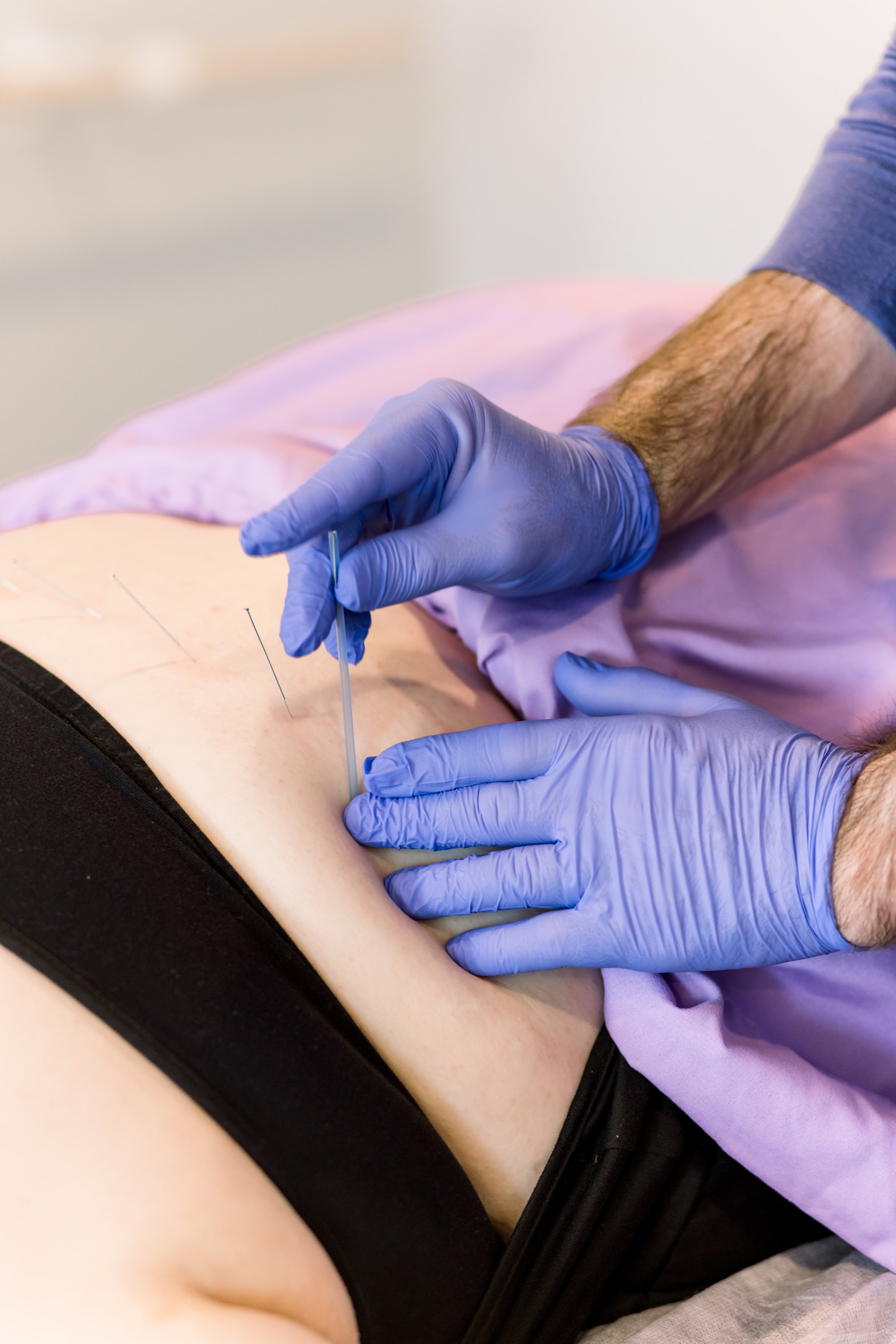
Neurologic dry needling is a physical medicine, therapeutic, and diagnostic technique with the purpose of neutralizing dysfunction in soft tissue and restoring muscle and fascial function. This procedure acts to mechanically disrupt physiologically locked tissue and is accomplished by inserting a small, thin gauge, monofilament needle into the affected tissue.
This procedure is not to be confused with acupuncture. Neurologic dry needling is based on Western concepts of anatomy, physiology, neurology, and biomechanics. Dry needling has been shown to be highly effective in the treatment of acute and chronic pain.
While you’re not required to participate in dry needling during your visit, our patients report vast improvements in movement and pain when incorporating this method in their care. -
Connective Wellness is an out-of-network practice. Payment is accepted at the time of service by credit/debit card, cash, or personal check. This allows us the freedom to practice physical therapy without restrictions.
What this means for you:
Direct access: With cash-based services, you can access care without a physician's referral, reducing delays in receiving care and streamlining the process.
Faster progress: Without the bureaucracy of insurance approval, you can begin treatment immediately, potentially leading to quicker recovery and progress.
Innovative techniques: We can explore and integrate innovative techniques that are not covered by insurance, including dry needling, cupping, and soft tissue work, leading to more effective and cutting-edge treatments.
Privacy and control: You have greater control over your treatment decisions and privacy since you aren't required to share medical information with insurance companies.
Client-centered care: With financial alignment directly between client and therapist, our focus can remain on achieving the best outcomes for you, rather than adhering to insurance requirements.
No billing hassles: Cash-based services eliminate the administrative burden of dealing with insurance claims, paperwork, and authorization processes, making the experience simpler for both of us.
Longer treatment sessions: Therapists at clinics that accept insurance are typically required to see four patients per hour, allowing for (at most) just 15 minutes of care per individual each session. In contrast, we will have 45 minutes to an hour together each and every session.
Transparent pricing: We offer transparent pricing, allowing you to know upfront what you will be paying, without hidden costs or surprises often found when using insurance.
Customized treatment: We have greater flexibility to design individualized treatment plans without insurance restrictions, addressing specific needs and goals more effectively.
Holistic approach: We can focus on a holistic approach to your care, considering various factors contributing to your condition rather than just addressing the isolated symptoms allowed for by insurance plans.
Flexible scheduling: Without insurance constraints, we can offer more flexible scheduling options, accommodating your preferences and needs more effectively. We offer daytime, evening, and weekend hours to align with a variety of schedules.
And still… likely reimbursable: After treatment, you will receive an invoice that you may submit to your insurance company for full or partial reimbursement, depending on your insurer's out-of-network coverage and policies.
CONDENSED VERSION:
Connective Wellness™ is a self-pay out-of-network practice and accepts credit/debit cards, cash, and personal checks at the time of service. We do not accept insurance at this time. After treatment, you will receive an invoice that can be submitted to your insurance company for potential reimbursement, depending on your insurer's out-of-network coverage and policies.
While we understand that our being unable to accept insurance can be frustrating to patients, we, like the myriad other doctors adopting this model, are doing so to avoid the bureaucracy and limitations imposed by insurance companies, enabling greater control over treatment decisions, enhanced privacy, and transparent pricing without hidden costs. This self-pay model allows you to begin treatment immediately without a doctor’s referral or the delays and restrictions of insurance approval, leading to quicker recovery and faster progress. With the freedom to integrate advanced techniques like dry needling, cupping, and soft tissue work, we offer longer, more personalized treatment sessions, focusing on holistic care tailored to individual needs. We are committed to offering the highest level of care in the shortest reasonable treatment time, empowering you with the skills to continue treatment at home to reduce your out-of-pocket costs and time spent in doctor’s offices.
-
Yes!
During your initial consultation, your PT will take the time to understand your medical history, symptoms, and specific needs. They'll assess your mobility and daily challenges to identify the best equipment for you, ensuring it meets your comfort and functionality requirements. They’ll document everything needed for insurance approval and handle the submission process for you, making it as smooth and stress-free as possible.
Once you receive your equipment, your PT will follow up with you to ensure you’re adapting well and to make any necessary adjustments.
Their warm, personalized approach ensures you get the right support to enhance your mobility and independence.

Let’s make your body feel more workable.
Come see us in Amherst, New Hampshire and we’ll build a plan that’s specific to you: your patterns, your capacity, your real life.
This work is precise, progressive, and designed to hold up outside the clinic.
We’ve totally got you.